Visit our website!

Tuesday, September 25, 2012

Hydration Tips


The following is from yogi Marina Chetner. She answers some common questions on hydration while practicing Bikram yoga.

How can you tell if a student is not properly hydrated in class?

When a student is having a hard time in general, this can be a sign of dehydration and/or loss of electrolytes. Signs are: tiredness, dizziness, they’re not sweating enough, and /or their muscles are cramping.

If you are properly hydrated, and have an empty stomach (not especially full of toxins that day), the class should not be a huge struggle. Many people need to take a few classes for their bodies to acclimate to the heat, but if every class continues to be hard, talk to one of your teachers.  Together you can trouble shoot and find out what's going on. Usually it's a simple solution.      
 
What would you recommend to a hot yoga student in terms of replenishment if they are only hydrating with water during a summer practice?

If you’re practicing hot yoga, like the Bikram series, you cannot properly hydrate with just water, especially in the summer.

Electrolytes are charged molecules (positive or negative) that become active in water. They conduct electricity in the body and are instrumental for transmitting signals. They regulate, among other things: muscle contraction, heart rate, balance of body fluid, and pH levels. They affect all organs and systems in the body.

The body needs the right balance of water AND electrolytes for communication signals to be sent throughout the body. For example, if you are depleted in sodium or potassium, the signal from the nervous system cannot reach the muscle cell. This results in muscle cramping.

It's not just sodium and potassium we need. Other essential electrolytes include: magnesium, chloride, phosphate, sulphate, and calcium ions and bi-carbonates.  

There are many sports drinks out there, and which one to consume is a personal decision. Personally, I am not a big fan of them for the following reasons:
  • Sports drinks often have too much sodium and sugar. In an extreme emergency, they will help. As a regular source of hydration, they are not the best. 
  • The more processed a drink is, the less efficient the electrolytes become.
  • Exposure to air and UV rays (including sunlight) diminish electrolyte activity. Heavily processed drinks in clear bottles are not the best source of electrolytes.
I recommend coconut water – it cannot be beat.  In fact, coconut juice is so similar to human blood that in WW2 they used it in blood transfusions for wounded soldiers! It is nature's miracle. Try to pick one that is not from concentrate, and if possible not pasteurized (there are brands now that use pressurizing technique to kill bacteria. This keeps active molecules more intact.)

There are other good sources of electroytes: Emergen-C, Ultima Replenisher, and mineral drops - to name a few. There are lots of options available at health food sport supplement stores. When using these, do not let them sit too long in your water or let them get too hot in the room.  

I recently read the following on active.com: “Drink by schedule, not by thirst. If you feel thirsty you are already dehydrated.” Is there truth to this statement? What about the old adage: drink when you’re thirsty?

It is hard to say exactly how much a person should drink; everyone is different in terms of activity level, and how much a person sweats. Generally speaking, the average person loses approx. 2 liters of water a day through breath, moderate sweating, and urination. A good rule: body weight X 0.7 = # ounces one should drink a day, on average.

If you are practicing Bikram, especially on a consistent basis, this HAS to be more. The more water you drink, and the more you sweat, the more important it is to replenish your electrolytes!

I would suggest starting off by drinking on a schedule. Most of us are dehydrated and have become acclimated to feeling this way. We’re not attuned to feelings of thirst.  In fact, many people mistake the feeling of thirst for hunger, so we eat instead of drinking water.

Until you have put your body back on track and established a pattern for being hydrated, I recommend discipline with water consumption.   

What should we include in our food diet to help along hydration?

Foods high in water: fruit and veggies, especially. Avoid caffeine (try decaf!), alcohol, and starches as they are dehydrating.

How should a student pace themselves with liquids in a 90 minute hot yoga class?

It is best to come into the room already hydrated. Do not try to hydrate in the room! It takes about 45 minutes to process water. Ideally, water in the room should be for refreshment. If you’re practicing Bikram Yoga, you should not need more water than little sips in between every 3 or 4 postures. Having a full belly of water is uncomfortable.

And again, I highly recommend electrolytes BEFORE class. It will make a huge difference in energy, stamina, and make for a better experience in the hot room.  

Published June 18, 2012 at 2:00 PM

Tuesday, September 18, 2012

Tip of the Week: Rabbit Pose

Question sent in to us via email from student Marty: "I have the hardest time getting into rabbit pose. I feel like I have a tight spine and it doesn't round very easily in this posture."


Many yoga students have difficulty even getting part-way into Rabbit posture because they focus too much on pulling on the heels, and do not put enough attention into lifting the hips up. As Bikram's Beginning Yoga Class explains, the way to overcome this is to lift the hips up first, bending forward while gripping the heels, from the beginning of the posture. Once the body is curling forward and the hips are lifting, then it's easier to pull on the heels and work towards straightening the arms. While pulling on the heels, lift the shoulders away from the ears.

Also remember to really suck your abdominal muscles in. By doing so you'll be able to stretch further and with more ease.

Don't over do it or go too far. Over time your spine will become more flexible and you'll feel the incredible benefits of the posture!


Tuesday, September 4, 2012

Congrats to the Winners!

It was quite a nailbiter watching the Top 15 contestants of our "Yoga Everywhere" photo contest rack up votes on Facebook over the weekend! Thank goodness we decided to leave the decision in the hands of our Facebook Fans because there was no way we could have chosen a winner on our own. Every photo submitted was just too amazing! 

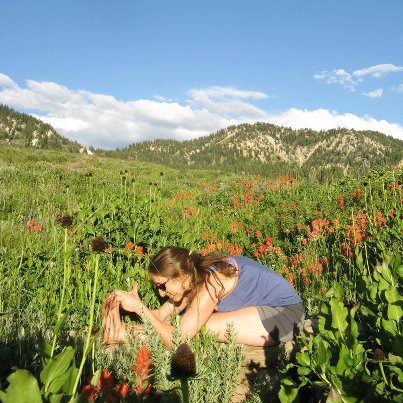
Winslow Passey's photo on the summit of the Grand Teton and Stef Charlesworth's photo at the Salt Flats got so many votes that we decided to not have only one winner, but TWO! Congratulations to you both Winslow and Stef. We hope you enjoy your One Month Unlimited Pass to Bikram Yoga SLC! And because we couldn't leave out the other 13 contestants in the Top 15, it's our pleasure to give you each a $10 studio credit! 

Thanks again to everyone for making this contest so fun, exciting, and inspiring!


Namaste

 Winslow Passey

Stef Charlesworth

Monday, September 3, 2012

Help Us Choose a Winner!

It has been so exciting seeing all the beautiful and inspiring photos our students have submitted for our "Yoga Everywhere" photo contest! We appreciate you all for putting yourselves out there and sharing your practice and artistry with us. We had a whopping 125 photos submitted! We had the hardest time narrowing it down to the Top 10, so we stretched it to the Top 15. Please help us choose the winner by Liking us on Facebook and clicking "Like" on your favorite photo. Click here to vote on your favorite photo!   You have until midnight tonight to vote. The winner will be announced tomorrow!


Tuesday, August 28, 2012

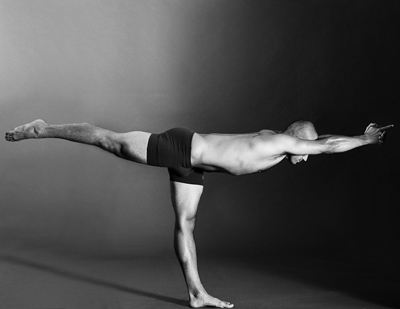
Tip of the Week: Balancing Stick

This posture is one of the most exhilarating, yet challenging postures in the Bikram Series. Just like Standing Head-to-Knee Pose and Standing Bow Pulling Pose, bringing the chest parallel to the floor helps to stimulate and bring strength to the heart, which is exactly why it is also known as “heart attack on a stick posture”! 


Tips to help improve your Balancing Stick


Your set up will determine how well you will perform your posture.  


Lean back slightly in the set up to stretch up toward the ceiling. 


Lift your chest and as you step into the posture LOCK your knees and elbows and CONTRACT every muscle, even before you start. This will improve stability in the posture.


Point your toes from beginning. After you step forward and before you bring your body down, lift your back leg one inch off the floor, and point your toes.


As you bring your body down, keep your back leg and arms in one solid straight line. If your arms come down before your leg comes up, or your leg comes up before your arms go down you are NOT in a straight line. You are a "broken umbrella".


With your arms glued to your ears, keep them and your back leg completely parallel to the floor.


Breathe slow and even! Because this posture is only 10 seconds long, people often try to hold their breath here.


Stomach, stomach, stomach! Stabilizing your core is key in this posture and will help you balance. Remember dead weight is heavy weight, so keep everything contracted and you’ll feel light as a feather.

Imagine like your body is being used in a game of tug-of-war. Your arms and legs should be stretching each other apart in opposite directions!


Benefits of the Balancing Stick Bikram Pose:

This particular Bikram yoga pose improves balance, increases endurance, increases lung capacity, stimulates the heart and arteries (strengthens the heart), helps to clear blockages from arteries helping to prevent future cardiac issues, helps varicose veins, burns fat, relieves tension spine, improves concentration. Physiologically, this posture stimulates the pancreas, liver, spleen, kidneys, and nervous system.


Rajashree Choudhury says that 300 calories are burned in this 10 second posture. That’s how much internal work your body is doing!

Tuesday, August 21, 2012

Tip of the Week: Triangle


This is a great video demonstration of Bikram Choudhury doing Triangle (Trikonasana). Keeping two heels in one line, when he sits down he keeps his spine in the center. Notice how he brings his hips forward and his right knee back before bringing his fingers to his toes in order to get the proper alignment and triangle formation. When his fingers don't quite reach his toes, he stretches his right shoulder down without bringing his hips up. Keeping his left knee locked and squeezing his left glute muscle he twists to the left as in spine twisting posture.


Saturday, August 18, 2012

What I Wish I Had Known as a Bikram Beginner

By Lisa Jones

There are the classic do’s and don’ts that every hot room newbie hears, as they nervously prepare for their first class. It’s usually about setting up, drinking water, and where to leave their sweaty rental towel.
But the practice of Bikram yoga is full of subtleties that I wish I had known when I got started. Here are just a few of them:
~ Sweat is sexy. I know you think it’s gross. But it’s so not. Sweat means passion. Dedication. Hard work. Health. It’s hot. Seriously.
~ Don’t worry about getting into better shape or getting more flexible before you come to your first class. We were all kinds of broken down messes when we first came. Fitness and flexibility come from going to class. Just start where you are.
~ Don’t set up in the front row on your first class, but stagger your mat so that you can see yourself in the mirror. You don’t like to look in a mirror, you say? You cringe at the sight of yourself in work-out clothes? That is exactly why you are here. It’s not to get the cute yoga ass you’ve heard so much about; that’s just a side effect. You are here to learn to love your reflection. We all had that critical voice in our head when we got here; you are here to kill that voice. You are here so that you can look in the mirror and smile kindly at yourself, like you are an old friend. You are here so that someday you can look yourself in the eyes and bow to your own grace and strength.
~ You will learn that us Bikram yogis love our bodies. Not that we are all perfect, by any means, but we love the incredible things that our forms are capable of. We treat them with respect and pride. This means we are not afraid to wear the smallest yoga clothes possible and we’re fine with nudity in the change room. We gave up shame around class #5. You will, too.
~ Savasana really is the hardest posture we do. When you are in camel, you might think I am full of it. But really, it’s savasana. It’s brutal to be still, in both mind and body, but that is OK. This is a lifelong practice.
~ The postures build on themselves; there will be a first step, then a next step. If you feel too challenged by a posture, go back to an earlier step and work on mastering that. Substituting different yoga postures or crunches or wind-sprints does not impress us. It makes us worry you will hurt yourself. You can take an improv class on a different night.
~ When you begin, you might think Bikram is all about the work-out because it’s all you can get your mind around. Be reassured that this practice is about embracing stillness, managing your ego and getting control of your monkey mind. It’s a profoundly spiritual meditation practice – it just takes a few classes to get your mind to shut the hell up long enough to realize that.
~ I promise you that even though it is all you can think about – leaving the room will not help you. I’ve seen several people pass out, all of them were attempting to leave the room when they went down. Sit or lie down on your mat and let the community energy and the watchful eye of the instructor support you. Breathe.
~ Get ready. If you decide to stick with this, get ready for a community more supportive that you could ever imagine. Get ready for huge challenges and more huge rewards. Get ready to cry in postures because you never thought it was possible that you could ever do them. Get ready to crave time in the hot room. Get ready to wonder what you ever did without it. Get ready for the yoga to change your body, mind and relationships in ways that will shock you.

Thursday, August 9, 2012

Top 7 Reasons Why You Should Do Bikram in the Summer


If you're like most people, the thought of sweating it out in a 105 degree room is the last thing you feel like doing in the middle of a sweltering hot summer.

But practicing Bikram Yoga during the summer months can help acclimate you to the season's heat and actually make the summer more bearable. Also, without the large difference between the temps outside and inside the studio, you'll be able to warm up faster once you get to class.

Here are the Top 7 Reasons Why You Should Do Bikram in the Summer:

1. When you first walk into the yoga room, it actually feels cooler than outside! Piece of cake!


2. When you leave the yoga room, the outside feels cooler than inside! So you are getting best of both worlds! Bikram Yoga makes the summer more manageable!

3. The relentless heat from the summer can leave you feeling sluggish. Every time you take class, you fill your "gas tank" by hyper-oxygenating the nerves and blood vessels in your body.

4. Your body is more warmed up before class. Muscles are more relaxed in the heat. In the afternoon classes especially, you may find that you are more flexible and go deeper in the postures since your body had all day to warm up.

5. You will save money on your air conditioning bills by acclimatizing your body to a warmer temperature in your house so you won't have to run the A/C as much!


6. You will release toxins faster. Your body is warmer, you start sweating sooner, and you lose more of the stuff. 'Nuff said. (Just don't forget to be super-hydrated before and after class, and add some replacement minerals to your during-class water).

7. You will look and feel more confident in your skin, and of course your swimsuit!

Saturday, August 4, 2012

2012 Olympic Athletes Prepare With Yoga

By Ann Pizer


When the U.S. national yoga asana championships were held in New York City in March, 2012, the media was all abuzz about the campaign to see competitive yoga become a new Olympic sport. This idea, spearheaded by Rajashree Choudhury (the wife Bikram yoga founder Bikram Choudhury) has been in the works for a few years, but seems to have gathered momentum recently. The United States Yoga Federation (Yoga USA), an organization led by Mrs. Choudhury, has stated that their goal is yoga's inclusion in the 2016 Games, but whether or not it makes the cut, yoga already plays a big part in the Olympics, offering strength training, improved flexibility, and, perhaps most importantly, psychological tools to many of the athletes who are set to compete under intense pressure in a wide range of sports at the summer 2012 Olympics in London. 


Strength and Flexibility


Top U.S. athletes report that yoga is an important part of their training routines, with improved core strength, flexibility, and alignment topping the list of physical benefits the practice imparts. For cyclist Evelyn Stevens, who rides on the Specialized - lululemon team, her interest in yoga predates her professional cycling career, as she was first introduced to yoga as a member of the tennis team at Dartmouth College. Though it can be difficult for an athlete on the competitive circuit to attend yoga classes regularly, Stevens finds that frequent power yoga classes improve her core strength and balance, both critical to cycling. When on the road, she maintains her practice by using yoga podcasts in her hotel room. 


Swimmer Rebecca Soni is also a yoga enthusiast. Soni is a breaststroke specialist and already an Olympic medalist, having won a gold and two silvers at the 2008 games in Beijing. She recently began taking yoga classes to help improve the flexibility in her shoulders and back. “I think my body is much better aligned as a result of my yoga work, which is an advantage in the pool," Soni says. She also finds that yoga helps her recover from the intense workouts her training necessitates. 


Listening to the Body

Fellow swimmer Ariana Kukors, who is the world record holder in the 200 Individual Medley, hopes to make London 2012 her first Olympics. The 22-year-old began doing Bikram yoga with her mom while still in high school. Kukors has found that yoga helps her be more in tune with her body, which in turn improves her swimming. Better body awareness and relaxation are also cited by gymnast Rebecca Bross as benefits she enjoys from doing yoga consistently. Bross, who is hoping to come back from a knee injury to represent the U.S. in the London games, has been complimenting her gymnastic training with weekly hatha  yoga classes for several years. 


Preparing the Mind

Aside from the physical advantages yoga offers, cyclist Stevens finds breath work and visualization to be exceptionally beneficial for her racing preparation. Stevens says. "I always finish my yoga practice feeling calmer, mentally stronger, and with a smile." Kukors agrees that yoga's primary benefits to her competitive performance are mental. Yoga "teaches you to block out the distraction from the outside world and really become in tune with how you are feeling," she says. "I think being able to center myself and retreat into my own little world is the best thing I've taken away from yoga."
We'll have to wait and see if competitive yoga will be included in future Olympics, but in the meantime, yoga students may find that the person on the next mat is one of the country's most elite athletes. Hopefully yoga will help give them the mental and physical advantages they need to succeed at the highest level of competition.

Wednesday, August 1, 2012

Namaste


In India when people meet and part they often say, "Namaste" which means: "I honor the place within you where the entire Universe resides; I honor the place within you of love, of light, of truth, of peace; I honor the place within you, where, when you are in that place in you, and I am in that place in me, there is only one of us."

The gesture Namaste represents the belief that there is a Divine spark within each of us that is located in the heart chakra. The gesture is an acknowledgment of the soul in one by the soul in another. "Nama" means bow, "as" means I, and "te" means you. Therefore, Namaste literally means "bow me you" or "I bow to you."
For a teacher and student, Namaste allows two individuals to come together energetically to a place of connection and timelessness, free from the bonds of ego-connection. If it is done with deep feeling in the heart and with the mind surrendered, a deep union of spirits can blossom.
Ideally, Namaste should be done both at the beginning and at the end of class. Usually, it is done at the end of class because the mind is less active and the energy in the room is more peaceful. The teacher initiates Namaste as a symbol of gratitude and respect toward her students and her own teachers and in return invites the students to connect with their lineage, thereby allowing the truth to flow—the truth that we are all one when we live from the heart.

Monday, July 23, 2012

Another Contest for Free Yoga


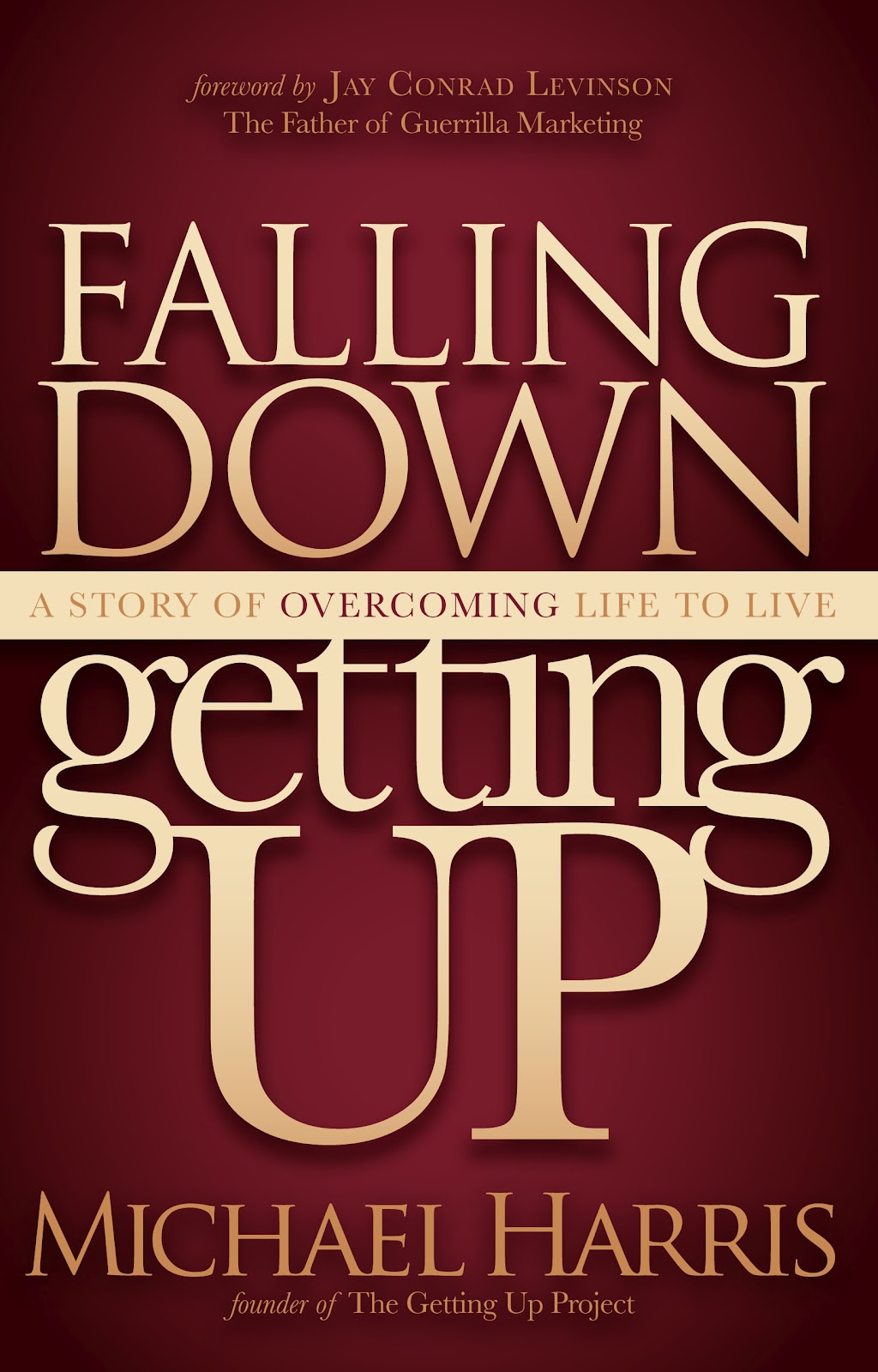
In addition to our photo contest Yoga Everywhere (click here for more info), we have another way for you to try to win some FREE Yoga! Michael Harris, a fellow Bikram Yoga studio owner from Oregon, is promoting his new book "Falling Down Getting UP" and you may enter to win Six Months Unlimited Bikram Yoga at any studio of your choice including ours with no purchase necessary at Win Six Months Unlimited Yoga!
You must enter today – the winner will be announced Friday, July 27th!

This Special Prize is being offered by a long time leader and teacher in the Bikram community Michael Harris. Michael is releasing his first book, “Falling Down Getting UP” with great fanfare and reviews from many people. The book is really about you and that place where we all go when we struggle. This book details the power of Bikram Yoga and how you can overcome virtually anything through regular practice.  If you want to see yoga principals come alive and how they can help you, order this book today.  It is about facing your struggles with determination and courage.  

Today Tuesday, July 24th a very special opportunity exists to buy Michael’s book “Falling Down Getting UP.” Michael has partnered with Morgan James Publishing and Amazon to launch this book. In addition to the book he is offering a number of special bonuses valued at more than $10,000 with a Grand Prize of Six Months Unlimited Bikram Yoga!

This book tells Michael's true story of his personal destruction and recovery. The story details how he lived through a near fatal accident, vascular disease and addictions.  Michael then discusses exactly how Bikram Yoga changed his life and how it can change you. This is a must read for everyone that practices Bikram Yoga and for anyone you know that could benefit from new hope in their life. I highly recommend you get your copy today. 

Enter here for your chance to Win Bikram Yoga:Win Six Months Unlimited Yoga! and Order the Book Today!  

Saturday, July 21, 2012

Evette's 200 Day Challenge


Bikram Yoga SLC student Evette has embarked on a journey of challenging herself to practice 200 sessions in 200 days. Pushing herself to go above and beyond, she doubled her goal from 100 to 200 sessions, and recently did 4 classes in one day. We admire your determination Evette and thank you for allowing us to share in your quest! 

Below are a couple of her latest entries from her blog 200 in 200 Bikram Yoga Challenge

Practice 200 Bikram yoga sessions in 200 days is my challenge. Initially I committed to 100 sessions in 100 days. After reading yoga philosophy on determination I upped my goal to 200 in 200. According to the philosophy to truly test determination, set a goal that is challenging and attainable, then double it. This blog documents my journey to 200 and if you get something from reading my thoughts, fantastic.

 79: Soft and Strong
79 of 200, day 70, July 20

My practice has shifted from pushing hard to being soft and strong. Previously I forced myself into asanas in practice. Now I focus on being present and strong in asanas. This allows me to be relaxed in practice.

73: Action to Shape, Stillness to Be 
73 of 200, day 66, July 16

I'm sure teachers have mentioned action and stillness many times in practice. The difference today is that I listened. In yoga practice consider the action & stillness, the balance and strength required in postures then the calm stillness of savasana. It is the action that shapes me, then being closer and closer to stillness that makes me become more. The physical challenge and mental focus required to do postures shapes me mentally, physically, spiritually, socially and emotionally. My body seems to be able to take on more challenge at times than my mind. Some days it is my body that heals my mind. Other days it is my mind that heals my body. All days it is savasana that takes all this shaping in practice and converts it to being more aware. The stillness releases the limiting behaviors and beliefs of the past. And I am  aware of something new in myself. It has always been there but now it has surfaced.

Monday, July 16, 2012

Yoga Everywhere Photo Contest!


  WIN A
ONE MONTH
UNLIMITED PASS!

Yoga Everywhere
Photo Contest!

·      Strike a pose anywhere, capture the moment in a photo
and post it on our Facebook page!
·      It could be in a crowd, somewhere funny, inside/outside, somewhere beautiful
or somewhere unusual and unexpected!
·      Enter as many pictures as you’d like, and submit them by
Sept 30th at midnight!
·      Be creative and do yoga EVERYWHERE!