Visit our website!

Wednesday, August 1, 2012

Namaste


In India when people meet and part they often say, "Namaste" which means: "I honor the place within you where the entire Universe resides; I honor the place within you of love, of light, of truth, of peace; I honor the place within you, where, when you are in that place in you, and I am in that place in me, there is only one of us."

The gesture Namaste represents the belief that there is a Divine spark within each of us that is located in the heart chakra. The gesture is an acknowledgment of the soul in one by the soul in another. "Nama" means bow, "as" means I, and "te" means you. Therefore, Namaste literally means "bow me you" or "I bow to you."
For a teacher and student, Namaste allows two individuals to come together energetically to a place of connection and timelessness, free from the bonds of ego-connection. If it is done with deep feeling in the heart and with the mind surrendered, a deep union of spirits can blossom.
Ideally, Namaste should be done both at the beginning and at the end of class. Usually, it is done at the end of class because the mind is less active and the energy in the room is more peaceful. The teacher initiates Namaste as a symbol of gratitude and respect toward her students and her own teachers and in return invites the students to connect with their lineage, thereby allowing the truth to flow—the truth that we are all one when we live from the heart.

Monday, July 23, 2012

Another Contest for Free Yoga


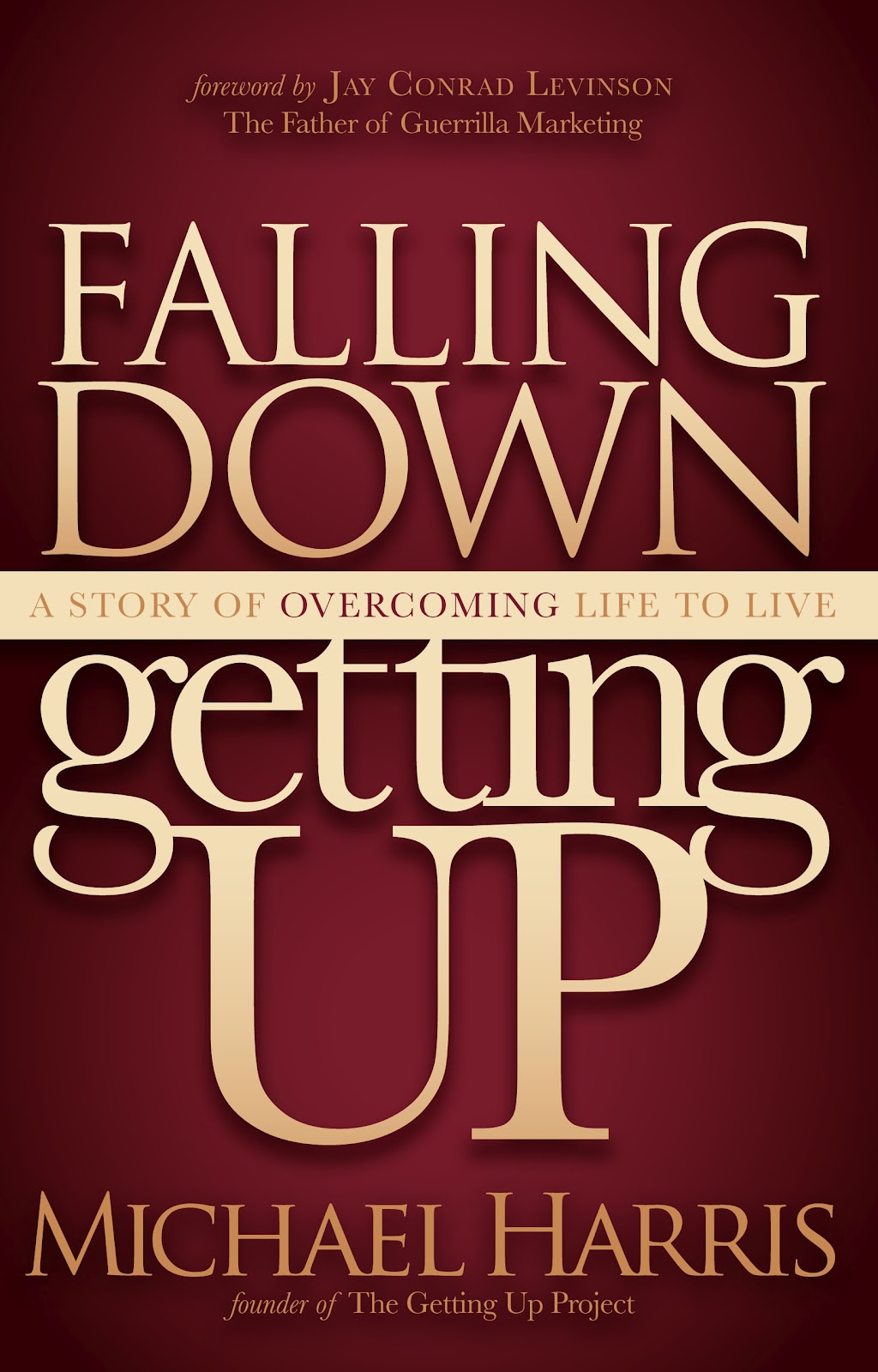
In addition to our photo contest Yoga Everywhere (click here for more info), we have another way for you to try to win some FREE Yoga! Michael Harris, a fellow Bikram Yoga studio owner from Oregon, is promoting his new book "Falling Down Getting UP" and you may enter to win Six Months Unlimited Bikram Yoga at any studio of your choice including ours with no purchase necessary at Win Six Months Unlimited Yoga!
You must enter today – the winner will be announced Friday, July 27th!

This Special Prize is being offered by a long time leader and teacher in the Bikram community Michael Harris. Michael is releasing his first book, “Falling Down Getting UP” with great fanfare and reviews from many people. The book is really about you and that place where we all go when we struggle. This book details the power of Bikram Yoga and how you can overcome virtually anything through regular practice.  If you want to see yoga principals come alive and how they can help you, order this book today.  It is about facing your struggles with determination and courage.  

Today Tuesday, July 24th a very special opportunity exists to buy Michael’s book “Falling Down Getting UP.” Michael has partnered with Morgan James Publishing and Amazon to launch this book. In addition to the book he is offering a number of special bonuses valued at more than $10,000 with a Grand Prize of Six Months Unlimited Bikram Yoga!

This book tells Michael's true story of his personal destruction and recovery. The story details how he lived through a near fatal accident, vascular disease and addictions.  Michael then discusses exactly how Bikram Yoga changed his life and how it can change you. This is a must read for everyone that practices Bikram Yoga and for anyone you know that could benefit from new hope in their life. I highly recommend you get your copy today. 

Enter here for your chance to Win Bikram Yoga:Win Six Months Unlimited Yoga! and Order the Book Today!  

Saturday, July 21, 2012

Evette's 200 Day Challenge


Bikram Yoga SLC student Evette has embarked on a journey of challenging herself to practice 200 sessions in 200 days. Pushing herself to go above and beyond, she doubled her goal from 100 to 200 sessions, and recently did 4 classes in one day. We admire your determination Evette and thank you for allowing us to share in your quest! 

Below are a couple of her latest entries from her blog 200 in 200 Bikram Yoga Challenge

Practice 200 Bikram yoga sessions in 200 days is my challenge. Initially I committed to 100 sessions in 100 days. After reading yoga philosophy on determination I upped my goal to 200 in 200. According to the philosophy to truly test determination, set a goal that is challenging and attainable, then double it. This blog documents my journey to 200 and if you get something from reading my thoughts, fantastic.

 79: Soft and Strong
79 of 200, day 70, July 20

My practice has shifted from pushing hard to being soft and strong. Previously I forced myself into asanas in practice. Now I focus on being present and strong in asanas. This allows me to be relaxed in practice.

73: Action to Shape, Stillness to Be 
73 of 200, day 66, July 16

I'm sure teachers have mentioned action and stillness many times in practice. The difference today is that I listened. In yoga practice consider the action & stillness, the balance and strength required in postures then the calm stillness of savasana. It is the action that shapes me, then being closer and closer to stillness that makes me become more. The physical challenge and mental focus required to do postures shapes me mentally, physically, spiritually, socially and emotionally. My body seems to be able to take on more challenge at times than my mind. Some days it is my body that heals my mind. Other days it is my mind that heals my body. All days it is savasana that takes all this shaping in practice and converts it to being more aware. The stillness releases the limiting behaviors and beliefs of the past. And I am  aware of something new in myself. It has always been there but now it has surfaced.

Monday, July 16, 2012

Yoga Everywhere Photo Contest!


  WIN A
ONE MONTH
UNLIMITED PASS!

Yoga Everywhere
Photo Contest!

·      Strike a pose anywhere, capture the moment in a photo
and post it on our Facebook page!
·      It could be in a crowd, somewhere funny, inside/outside, somewhere beautiful
or somewhere unusual and unexpected!
·      Enter as many pictures as you’d like, and submit them by
Sept 30th at midnight!
·      Be creative and do yoga EVERYWHERE!

Tuesday, July 10, 2012

A few words From Rajashree Choudhury


Overcoming Boredom
 
"Bikram's method is really consistent with people in building their personality; their perspective of life, their will power, and self esteem is helped by the 26 2. At the same time, Bikram's classes have been viewed as boring: it's 90 minutes, the same postures, same routine - you don't (feel you) find something new. But that boredom is something we have to conquer in our own mind because a lot of times, in adults especially, we like to constantly change, change, change. In doing the change, we lose the concentration and focus... Yoga helps us disconnect from the world and find something new."
 
Meditation
 
"People understand the mediation benefits (of the class). Practicing meditation... is sometimes very hard. What's the purpose of mediation? It is two things - concentration and relaxation... This all depends on breath. Many times when you try, if the mind is full of worry and excitement, it will affect your breath, no matter what. If you are not healthy, then you are not ready yet to concentrate and focus and properly train to do your breathing. Practicing Bikram Yoga helps check that mind off and breathing is part of surviving in the class. In the end, you do the proper utilization of the breath and find the concentration, focus and relaxation which is the purpose of meditation. Breathing connects your body and mind."
 
If You Grow With It, Stick With It
 
"One thing is this - people should see the result. If the result is effective and positive in their life, they should stick with it. I always say my Guru is my heart because I always listen to my heart - is it mentally, spiritually, and physically enhancing me, or not? If I see I am growing and it is helping me, then I'd rather stick with it. Why should I change it?"

Wednesday, July 4, 2012

Jade's 30 Day Challenge

The following is an entry from Bikram Yoga SLC student Jade Tinker's blog Journey to the Center of Myself.

She welcomes us to share in her journey as she endures her first 30 day challenge, and offers insight to some struggles and benefits she's already experiencing 11 days into the challenge.

We'll continue to update you with her latest blog entries so she can be your motivator and you can be her cheerleader! Way to go Jade!


11 days into my 30 day challenge

I did not get the chance yesterday to talk about about my 30-day challenge so far.

I have always read and heard that "the 30 day challenge will change your life!" but have always been pretty skeptical. I mean, 30 days is a rather short amount of time to have your life change significantly. Still, I had always wanted to try a 30 day challenge but had always told myself that I didn't have the time to commit to it. Well, the past couple months that I had payed for my Bikram membership, I had (as usual) had a difficult time being consistent in my practice. So, 12 days ago I decided that I couldn't just wait to have the time for a 30 day challenge, I had to
make the time or it would never happen. It was a relatively spur of the moment decision, but I have been to 11 classes so far and have loved every minute of it!

It was definitely a rough start though. The first four classes/days were hard. For the first week, I woke up every morning feeling like I had been run over by a truck. I was so incredibly sore.
Everywhere. Like, in places I didn't even know I had muscles! Still, I made it to every class and always felt amazing on the way out, no matter how hard it was to get there.

The main difference I have noticed is how my body is reacting to the heat. I am hardly sweating anymore. Even when I do sweat, I don't feel so hot that I am nauseous (which has always been a big battle for me). I know some people really like it when they get really hot, but I don't think I'm one of those people. I find lately that the room is definitely hot enough that I'm very stretchy and pliable, but not so hot that I feel like I'm dying (not an exaggeration! it happens!). In fact, there have been have been some really cool moments when I have gotten goosebumps while in savasana (dead body pose).


This is how it happens: I am lying there, focusing on relaxing every muscle in my body. I can feel beads of sweat slowly sliding down my body, on my stomach, legs, arms, forehead, even off and into my ears. And then I get goosebumps! And I feel cold on the outside but still very warm on the inside. I mentioned this to my mother the other day and she said it reminded her of how some people can meditate to walk on coals. This makes me wonder if the goosebumps are some sort of sign of my level of meditation. Hmmm....


Not feeling so sick and hot during the class has definitely enabled me to really focus on my postures and my meditation. It is
sooooo much easier to clear your mind when you are not thinking, "Don't throw up, don't throw up.... God, its hot in here!" In the past, it felt like I really tortured myself for 90 minutes to feel amazing the rest of the day (which was well worth it!). Now, I find myself really enjoying each class. I occasionally smile at myself in the mirror and I laugh when the teachers make corny jokes, things I could never do before because I was so uncomfortable.

Another thing I have noticed is that classes are flying by now. I used to count down the minutes and watch the clock starting halfway through class. Now, class seems much shorter than the 90 minutes it is. I attribute a lot of this to my deeper meditation during class, especially since I am able to ignore the heat more than before. It has been an amazing feeling to turn my brain off for those 90 minutes and let the instructor "drive" my body, so to speak. I don't think about anything and listen to the dialogue, and my body follows the instruction like a robot. This mental checking out helps me to meditate as well because I am thinking about nothing, versus thinking about what my body is going to do next.


Yesterday, I took a big step! I ended up in the front row of class. Being in the front row is usually reserved for experienced yogis because they are setting the tone for the rest of the class. Technically, they aren't supposed to sit out any poses, because it often causes a domino effect. If they sit out, other people feel like they have been given "permission" to sit out poses as well. Don't get me wrong, everyone is allowed to sit out if they feel the need, but people on the front row are supposed to set an example. I have always felt like that was a lot of pressure and have avoided the first row like a plague.


Well, I walked into class yesterday and most of the spots were taken but the front row was wide open. I decided to go ahead and take a first row spot. "Why not?" I asked myself. I haven't needed to sit out any postures in about 4 classes, but that did not mean this class was going to be the same. I decided to go for it, and it was a very rewarding experience. Being so close to the mirror, it was easier to focus on myself and not be distracted by the people in between the mirror and myself. At the end of class, the instructor thanked the first row for the wonderful energy we were sharing with the rest of the room. Boy, did that make me feel good! Taking a spot in the first row is something I will definitely be trying again.


This post is getting a little long for my taste, but talking about 1/3 of my 30 day challenge deserves some space! The last thing I want to say is that I was really (
really) wrong to think that 30 days was too short of time to experience a change in life. Over just the past week and a half, I have noticed that my mind is much clearer and more calm. I feel more peaceful, less stressed. I agree with how this one yogi put it after her 14th class in her 30 day challenge:
"Yesterday, my friend told me that he had been reading this blog, and that I sounded like I am on a whole different level when writing it. I don’t feel as though this challenge is really changing or altering me, only that it makes day-to-day decisions and interactions more clear and easy. Outside of class, I definitely feel healthier, more fit, and less bogged down by any baggage – mental or physical. I still feel like me, but maybe a bit of change is taking place afterall… "
My thoughts just seem to flow easier and I am thinking clearly. It kind of feels like my brain has been cluttered all my life, and I am finally learning what it is like to have a clear, calm mind. Man, I didn't know what I was missing!

Time to start getting ready for class! Then the rest of the day :) Ciao. 

Monday, July 2, 2012

Abbie's Story

Below is the inspiring story of Bikram Yoga SLC student Abbie who suffered a stroke last January and has learned to walk and balance again with a strong Bikram yoga practice. We are so happy you are back Abbie and thank you for being an inspiration to us all!


I started practicing Bikram yoga in 2003 and instantly became a fan. At the time I was out of shape and struggling with depression. With regular practice, I quickly became light, lean and limber. Within a year I was completely off antidepressants. These benefits made a significant improvement in my quality of life and sealed my future as a permanent practitioner.
I continued to reap the rewards of regular practice until January 2012, when I suffered an acute stroke due to an injury to my right vertebral artery. My body was impacted through loss of vision, balance and the inability to walk. I went from being able to hold toe stand for 30 seconds to not being able to stand on one leg for 3 seconds. I was devastated about the breakdown in my body and craved that space of moving meditation I experienced in Bikram class.
Having a strong foundation of yoga practice prior to the stroke empowered me to look beyond the disappointment and get laser focused on healing. I had my yoga mat brought to the hospital and practiced floor postures while undergoing therapy to learn to walk and balance again. I posted this affirmation where I could see it all day long: “I am absolutely capable of healing. My body and brain know perfectly how to heal.” After two and a half weeks I returned home and continued practicing yoga as often as I could. I started practicing yoga with Bikram’s CD, and used my bedroom walls to keep me supported in standing postures. My physical therapist was amazed at how quickly my body was relearning proper movement and balance.
By March I was walking relatively well and decided it was time to progress my healing and return to Bikram class. I was nervous that first class back - worried about the risk of falling and the impact the heat would have on my dizzy vision.  I received an abundance of encouragement from Greg, Becky and numerous teachers that countered any feelings of anxiety. To participate in the standing series I had to use the bar and back wall, yet I was still filled with love and light when I left class that day. I returned to class again and again, and each time experienced remarkable improvement. 
It has been two months since I returned to my Bikram practice, and I no longer need to use the bar or back wall for any posture. My balance is significantly improved. My vision is no longer constantly spinning. And my walk is almost what it was before the stroke. I can even wear high heels again! My neurologist is delighted at how quickly I am recovering, and most people can no longer tell I have any physical deficiencies.  I am eternally grateful to the role Bikram Yoga has played in my healing.
I have learned many important lessons in Bikram Yoga about mental determination, my body’s limitless capacity to heal, and the abundance of love in the universe. This is not the kind of yoga that you only practice in class, and then return back to your normal life. This is the yoga that becomes your way of life.
Namaste

Friday, June 29, 2012

Marc's Story


For those of you who haven't met Marc yet, he is a new instructor at Bikram Yoga SLC! He's come a long way since a severe motorcycle accident, including getting 1st place in the men's division in this year's Regional Yoga Asana Championships. The following is his motivating story.


Adversity comes to all.  It is part of life.  But, hearing about adversity is, for the most part, neither very interesting nor instructive.  However, a story about adversity overcome is exciting and most instructive.  Marc Linton's is such a story.
      In a severe motorcycle accident in August of 2002, Marc suffered multiple injuries that included compression fractured vertebrae, extensive soft tissue damage, a fractured skull, and serious neurological damage.  "Before the accident I was already dealing with anxiety and depression issues.  "The brain injury compounded the anxiety and depression and caused memory issues, agoraphobia, and socialization problems.  "I felt absolutely overwhelmed by it all.  "I was collecting Social Security disability, was on six different medications and was at the end of my rope. I wasn't healing, I was just more and more medicated, and the bills were piling up.  "In desperation I decided I needed to try something different and one doctor had told me that yoga gave him relief from his back pain.  "My first practice at Bikram Yoga I was completely overwhelmed, nauseated, dizzy and spent most of the class laying on the floor.  "However, after class was over I experienced a window where I was pain free for the first time in over four years.  "With each practice that pain-free window opened more and more.  "I found myself practicing six days a week, sometimes twice a day to alleviate the pain.  "Initially I came to yoga for my back pain, but I found it helping all of the issues I was dealing with including the brain injury.  "My memory improved, the depression was lifting and about six months into practice I was out of pain and shedding the many medications. "That's when I decided decided I needed to teach this yoga. "I remember thinking: How do people not know this?"  
     Almost exactly two years after Marc began his practice, and as he continued to heal, Bikram granted him a full scholarship to attend teacher training.  Marc's successful completion of this very strenuous (physically, mentally, and emotionally) training course in the fall of 2008 overcoming- against all odds the limitations, and memory issues of the brain injury was proof of his healing.  Upon returning from training, Marc began teaching at the Bikram Yoga Sandy studio, subsequently managed and taught at the Bikram Yoga Ogden studio for the summer, and then in the fall returned full-time to Sandy.  He now also teaches at Bikram Yoga S.L.C. since April 2012 and offers personal Health/Wellness & Anxiety/Depression coaching. "If someone had told me 10 years ago that I was going to be teaching yoga and coaching others, I would have laughed. . . but here I am. "I teach yoga because it works.  " I teach it because it helped give me my life back."
     Marc enjoys Boarding (snow, wake, and surf), Cycling (road and mountain), rock climbing, hiking, backpacking, mixing underground dance music, and generally having a good time.   He says, "Don't be afraid of dying.  "Be afraid of not living!"

Tuesday, June 26, 2012

11th Anniversary and Goodbye to Dewi Party!

We had such a great time celebrating our 11th Anniversary of Bikram Yoga SLC last Saturday night! Yes it's been 11 years since we first opened the doors of our studio, and we are still going strong welcoming new faces every day and gaining even tighter bonds with those who have been with us from the beginning. We are so grateful for the friendships we have made here at our "Bikram Home", and thank each and every one of you for making our studio what it is today. It's been 11 incredible years, and with your support we hope to see many more to come.

We are so sad to being saying goodbye to our beautiful Dewi! Dewi has been practicing at Bikram Yoga SLC since 2003 and has been working at the front desk since 2007. Her husband has taken a job in California, and she and her family will be moving next week. Dewi, your radiance and fun-loving personality will be sadly missed. Thank you for your dedication over the years and for all the positivity, warmth and happiness you brought to our studio. We wish you and your family a bright future in California!

Sunday, June 24, 2012

Sweaty Yogi – Hydrate Yourself!

The following article sheds some light on the importance of proper hydration before, during, and after class. You may also want to check out the "elete" electrolyte mineral supplement tablets or liquid drops to add to your drinking water sold at our studio. 

by Lucas Rockwood of YOGABODY Naturals.  


Yoga students often become obsessed with hydration to the point where they’re never without a water bottle. It just becomes part of you. Your wallet, your keys, your ID, and a bottle of water. It’s really that important.

And yet as a teacher, I’m constantly getting questions about how to avoid dehydration. Despite the awareness, many students still find themselves with constipation, headaches, and dark circles around their eyes simply because they’re dehydrated. 

Depending on the temperature of the room and the style of yoga you’re practicing, it’s possible to lose an enormous amount of water during a 90-minute practice. Hot Yoga students need to be most concerned; but on warm days, just about any Ashtanga-Vinyasa or Power Yoga class quickly turns into a sweat-fest too, so the question that arises is: “How do you properly rehydrate?”

STEP 1: Make sure you are hydrated BEFORE class. This doesn’t mean that you should drink two liters of water just before practice, but it does mean making sure that throughout your day, you maintain a healthy intake of water (and no, coffee doesn’t count). 

STEP 2: During class, follow your teacher’s instructions. If it’s a class where water is accepted (like Bikram Yoga, for example), then you’ll absolutely want to bring water. If it’s a class where water is optional, be your own judge. And lastly, if it’s a class where water is not permitted, just make sure that you feel that it’s a healthy practice for you and talk one-on-one with your teacher if you have any doubts.

STEP 3: Drink water and only water. For hydration, you’ll want to reduce or eliminate all the caffeinated and flavored beverages from your diet including coffee, dark teas, and sodas. Non-caffeinated, herbal teas are fine, but for the most part, you want to drink just plain old water.

But what kind of water? Dozens of athletic studies have shown that it’s not just about quantity, it’s also about quality when it comes to water. What you’re looking for are electrolytes, positively and negatively charged ions from minerals that keep your body’s electrical system working properly.

In a natural state, we’d drink our water from streams, wells, and rivers. This water is high in minerals, including the important electrolytes sodium, potassium, calcium, magnesium, and chloride. But since most of our water today has been treated, heavily filtered, and bottled, it’s often referred to as “dead” water because it’s mineral-deficient.

RE-MINERALIZE YOUR BODY & YOUR WATER
Natural mineral water is very hard to come by, and not practical for most people (unless you live near mineral springs); so the best idea for most students is to proactively re-mineralize their body and their water on an on-going basis.

There are a number of ways to boost your mineral intake, but the easiest are (a) to start eating as many dark green, mineral-dense veggies as possible, and (b) to consider adding a pinch of sea salt or seaweed (such as dulse) to your water bottles throughout the day.
Unbleached, chunky sea salt is a great source for electrolytes and can easily be added to your water. It’s high in sodium, of course, so do add just a pinch and be cautious if you have blood pressure problems.
Dulse is a mineral-dense sea vegetable that is a great source for natural electrolytes as well. Adding a leaf of dulse to a water bottle is another simple way to increase the “sticking” power of your water. 

If you’ve ever had the feeling that no matter how much water you drink, you still feel completely parched; chances are good that you were suffering from electrolyte deficiency. The good news is that with a little planning and consciousness effort, you can dramatically increase your body’s ability to absorb and retain water.

Sunday, June 17, 2012

5 Reasons to Take Your Dad to Yoga Class

Happy Father's Day from Bikram Yoga SLC! What better way to treat Dad on this special day than bringing him to his first Bikram yoga class. Today all "first time yogi" Dads practice for free. The following article has some great motivation for getting Dad to class.

5 Reasons to Take Your Dad to Yoga Class 

 By Jennifer White

My dad started private yoga sessions with me last fall. He was having some lower back and hip issues that I was confident yoga could help—they did and he’s now officially a yoga junkie.

The unfortunate thing is that many men don’t even get a chance to experience yoga’s benefits—because yoga has a reputation of being for girls. There are a lot of reasons for this misconception, but I think one is simply that there are a lot of female yoga practitioners in the U.S. It takes a confident guy to walk into a class for girls—yet yoga’s not for girls.

Originally many of yoga’s asanas were designed for male bodies by male bodies, and today’s men can still get so much out of yoga—if they only give it a chance. So here are five great reasons to take your dad to yoga class with you for Father’s Day.
1. Stretch it out. Older American men in particular grew up with strength being primary and flexibility being secondary—and now this imbalance can catch up with them. So take your dad to yoga class with you and get his stretch on.
2. Men need zen. One of the things my dad has benefited from the most—which I know surprised him—is the meditative aspect of yoga. Getting inside of yourself and feeling the sensations in your body quiets your mind by default—you are concentrating on one thing, and staying in the present moment. So zen out with dad—with yoga.
3. Wanna go to the gun show? While yoga does offer a lot in the flexibility department, it does build muscle and strength too. My dad was happily surprised that I was able to give him yoga exercises that largely take away his need to lift weights. All of us can benefit from building muscle—including your dad. Yet another reason to get your yoga on with him.
4. Share what you love. An added benefit to my dad’s new yoga practice is that we share something now that’s really special to me in my life—and he gets it, from actual experience, he understands why I love yoga. Sharing something you love with someone you love is a great recipe for bonding—so go ahead and practice yoga with your dad.
5. Inspiration. At first, you might think your dad will get inspiration from you and your practice—especially if you’ve been practicing for awhile. Let me tell you, it’s definitely dad who will provide the inspiration. I am so impressed with my dad; with how well he listens to his body, and how much he’s able to understand. Practicing yoga requires you to have an intimate conversation with your body, and it often takes time just to hear what your body is saying—much less ask it to do micro-adjustments for you in return. So take your dad to yoga class, and you might find inspiration as you watch him rock out an amazing plank pose or actually be able to feel the shoulder-opening aspect in his first downward dog.
With Father’s Day right around the corner, it’s time for us yogis to reconsider why yoga is considered an activity for girls. Practicing yoga offers benefits that extend way beyond our physical body—and everyone can benefit from peace of mind. So tell your dad that strong dudes try everything once—including yoga.

Happy Father’s Day, future yogis.

Pictured is rock-star yogi, and dad, Baron Baptiste :)

Tuesday, June 12, 2012

Cross-Training with Bikram Yoga


by Alex O'Meara

Cross-training with Bikram --- or hot --- yoga delivers an array of benefits. It builds core strength and loosens leg muscles that may have become tight, or out of balance, from running. Cross-training with Bikram also helps build mental tenacity and sharpens focus --- important factors for any athlete, but particularly for endurance athletes, such as marathon runners. Consult your doctor before beginning any new exercise regimen.

Cross-Training

Cross-training employs various methods of exercising to strengthen and improve your ability to do one specific exercise, explains Jessica Matthews, continuing education coordinator for the American Council on Exercise. Some benefits include reducing risks of injury and losing weight more efficiently and faster. Yoga is an effective cross-training option because, according to MayoClinic.com, it offers improved flexibility and increased strength, two valuable assets for any athlete.


Bikram

Bikram yoga is a series of 26 hatha yoga poses in a space heated to 105 degrees F. Heating the room softens and loosens your muscles and increases flexibility. According to New Jersey's Synergy Hot Yoga studio, combining hatha yoga poses with such intense heat allows for deeper tissue stretching, lengthening and strengthening than would be possible at room temperature.

Cross-Training Program

How often you wish to incorporate Bikram yoga sessions into your exercise regimen is a matter of personal preference. If you run three days a week and cross-train two, you can make one or both of those days a day for Bikram, for example. Jada Wright, a marathoner and Bikram enthusiast, was practicing Bikram twice a week training for a half-marathon. Writing on the Alumni Wellness website, Wright credits Bikram's recovery-enabling properties for allowing her to run a half-marathon and a full marathon in consecutive weeks. After that experience, Wright practiced bikram every day for 60 days straight and continued racing successfully.

Tips and Warnings

If you're new to Bikram be sure to come to each Bikram session well-hydrated. Bring water with you and prepare to drink at least a quart of fluid during a class.

You are never required to complete, or even attempt, all 26 poses. If a pose makes you uncomfortable or hurts, skip it, MayoClinic.com recommends.


If you have blood pressure issues --- high or low --- or if you are nursing, pregnant or if you have a low heat tolerance, check with a doctor before you step into a Bikram studio.


Sunday, June 10, 2012

Emmy Cleaves on Bikram Yoga

If you are interested in how to stay youthful or regain some of your youthful appearance, please read the following by Emmy Cleaves! She is 85 years old and still teaches Bikram's advanced yoga class!

BIKRAM YOGA
By Emmy Cleaves


Bikram Yoga, sometimes also called “hot yoga,” is a system of a set 26 yoga posture sequence practiced in a room heated to 100+ degrees and lasting 90 minutes.

Bikram Choudhury, under his guru’s guidance and using modern medical measurement techniques, researched and arrived at this specific sequence of postures.  The individual asanas are classical hatha yoga.  Each classical yoga posture has a specific anatomical, neurological, physiological and psychological effect on the human body.   The intelligence of any posture sequence determines the overall benefit of the practice.
Bikram introduced his unique style of yoga in the United States in 1971.  During the first 20 years this style was taught only in his Beverly Hills studio, mainly to movie stars and athletes.  Bikram was finally persuaded to start a teacher-training program, which opened up the system to national and international exposure.  As of 2004 there are hundreds of Bikram Yoga studios throughout the world.  In recognition of the unique nature of this posture sequence, the U.S. Trademark Office has issued a Trade Mark registration for Bikram Yoga.
In my 31 years of observation, I have seen that most people taking their first Bikram Yoga class are suffering from bad body mechanics and postural dysfunction.  Each human body has a specific design template.  Muscles work in pairs in order for the body to execute any movement or even to maintain an upright posture against the forces of gravity.  Any imbalance in the dynamic tension between the posterior or erector muscles and the anterior or flexor muscles will compromise the vertical loading on the weight bearing joints.  This creates unnatural wear and tear and ultimately disease and pain.
The first 45 minutes of the Bikram Yoga System consists of standing poses devoted to re-establishing musculo-skeletal balance.  If done with sufficient intensity, they create an aerobic benefit as well.
The second half of the class consists of floor postures that address “the great information super highway” – your spine and it’s correct alignment.  Most people recognize their spinal problems during their first Bikram Yoga class.
My first Bikram Yoga class was in 1973.  For 20 years prior to it, I had taken various yoga classes that had not done much to improve the flexibility of my rather stiff body.  I had also suffered a brain aneurysm.  A life-threatening event of this nature shatters ones faith and trust in ones body. During my very first Bikram class I immediately recognized the power of the corrective training effect in the systematic and repetitious nature of the practice.
Since 1973 I have continuously practiced and taught Bikram Yoga.  It has restored my mental and physical strength and the confidence in my ability to lead a productive life.  It has given me the suppleness I had previously considered unattainable.  My 31 years of practice have given me glowing health and age has had no effect on my body’s weight, suppleness or energy levels.  There are very few things that can disturb the serenity of my spirit and calmness of my mind.
People ask me if I ever get tired of doing the same posture flow.  My answer is that the practice is never the same because I am continuously being changed by the practice.  The daily practice challenges you on many levels.  Concentration and attention are quickly sharpened.  Character issues of patience and perseverance come up each time.  The practice offers a chance to explore deeper levels of Self and develop awareness of the emotions and thoughts that the postures evoke.
For example, backward bending often initially evokes fear, but you find the courage and strength to do it. As you become an observer of the deeper and sometimes buried manifestations of Self, you come to understand yourself more clearly.  You start seeing which reactions to challenges are automatic and habitual and that you can change them.  The asana is a path to Self-awareness.  The physical becomes spiritual.
One of the most common questions of beginners is “why the heat?”  On the simplest level it is because warm muscles are more pliable.  The heat also expedites the flow of blood to all the organs of the body, facilitating the reactions that the postures are designed to create.  Heat will help the body destroy viruses and bacteria.  It strengthens the immune system. There are many cultures in which sweating is part of the healing process.  Think of a Bikram class as a sweat lodge experience.
Bikram yoga is physically accessible to people of all ages and conditions.  The postures require only normal range of motion available to all, from children to the very aged, provided you are being taught by a certified, qualified Bikram teacher.  Beware, however, of the teacher who claims to teach Bikram Yoga but who has altered the strict Bikram regime.  By changing the routine the beneficial effects are destroyed; such alterations are much like the difference between a genuine Rolex watch and a $ 20.00 knock-off.
Bishnu Ghosh, Bikram’s guru, said that the root of all chronic illnesses can be traced to stress.  He also said that the human body is self-energizing and self-healing and that yoga is the key to this kingdom of health.

Friday, June 8, 2012

Bikram Yoga for Anxiety and Panic Attacks

by Beginners Yoga


As a discipline, yoga provides many health benefits. Some of which obviously are physical, and other benefits of yoga affect our emotional makeup.
For those suffering from anxiety and panic attacks, being able to cure themselves naturally can often seem like a hope rather than a realistic outcome. However yoga, in particular Bikram yoga, can be extremely beneficial to sufferers.

Repeated panic and anxiety attacks can rewire the brain to the extent that the original causes of these attacks gets lost or is suppressed deep in the subconscious mind. Anxiety attacks are then triggered with the sufferer not really understanding why they are enduring these episodes, which in turn can intensify the anxiety and panic.
This establishes a cycle of repeat attacks that is very hard to break free from. In effect to stop the cycle of attacks requires some rewiring of thought patterns and Bikram yoga is the perfect exercise and meditation practice to do just that.
Bikram Yoga is a certain type of yoga that is very good at teaching us to calm the mind, and then strengthening it to endure the mental and emotional stresses that we encounter in our daily lives.

What makes Bikram Yoga a likely cure for anxiety and panic attack sufferers?
Bikram Yoga can initially be an extremely intimidating practice  – going to a Bikram class for the first time could well be the hardest exercise you may ever have done, either mentally or physically.
You look in the cosmic mirror and quite a few of your weaknesses and frailties are exposed and stare straight back at you. This can be a little tough to handle on class number 1, but it gets better.

Some of the postures in a Bikram yoga class will also stress you emotionally – they are designed to do that, to slowly and gently raise issues that are stored deep in your subconscious.  Some of these issues that we uncover during Bikram yoga classes are likely to be original causes of  these anxieties and panic attacks. By gently having this issues come to the surface practitioners have the tremendous opportunity to release these issues from their bodies and deal to them once and for all.
This type of Yoga class combines the physical aspect of exercise together with meditation – and it is so often said by yoga instructors that the harder or tougher you find the class the more mental strength building benefit you are getting from the practice.


So each time you come to a Bikram yoga classes you gain more mental toughness. Bikram training subtly forces you to face your emotional self, and to build mental strength that helps you manage and confront issues in the outside world. In doing this type of yoga you are rewiring the brain to think in a different way – and the more yoga you do, the quicker you are able to rewire the brain towards dealing with anxiety and panic.
Practicing yoga 4-5 times a week changes your thought patterns deep within your brain and subconscious so that nothing can interfere with your mind when faced with future anxiety triggers. The goal in fact is to eliminate these panic attack triggers from your subconscious completely and Bikram yoga is a powerful practice in this regard.